Families planning a basement renovation should start with a clear budget, scope, and permitting timeline. Design modular zones for play, study, and relaxation, keeping sightlines and kid-friendly storage in mind. Prioritize waterproofing, durable finishes, and electrical safety, with easy egress access. Integrate smart storage and labeled bins, plus layered lighting with dimmable options. The approach supports flexible use and quick upgrades, while leaving room for tougher decisions that will shape the project’s success.
What to Plan Before You Break Ground
Before breaking ground, a clear plan should be established that covers budget, scope, and constraints. The contractor evaluates space, utilities, and egress, while the homeowner defines priorities and timelines. A practical schedule aligns milestones with permitting timelines.
Awareness of budgeting mistakes and permitting pitfalls helps prevent overruns; risk buffers and contingency funds should be specified, along with documentation requirements and decision points for scope changes.
Create Flexible, Kid-Friendly Layouts
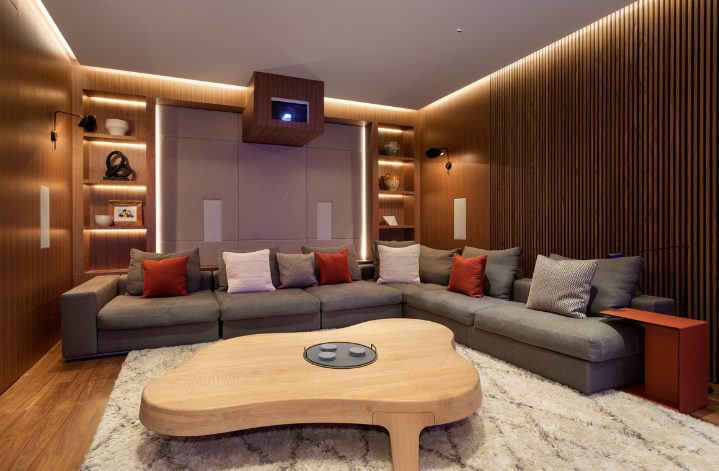
Creating flexible, kid-friendly layouts in basement renovations requires careful zoning and scalable design that adapts to evolving family needs. The approach favors modular zones: play, study, and relaxation with clear sightlines and easy transitions. Prioritize kid friendly storage, flexible layouts for future room changes, and non slip flooring for safety. Durable, simple surfaces reduce maintenance while preserving freedom of movement.
Waterproofing, Safety, and Durable Finishes
Waterproofing, safety, and durable finishes form the foundation of a basement renovation that remains functional under daily use. The article outlines waterproofing basics, detailing moisture barriers, proper drainage, and sealants.
It then covers safety considerations, including electrical clearance and quick-access egress.
Durable finishes are chosen for humidity resistance and easy maintenance, emphasizing long-term reliability without compromising family freedom.
Storage, Lighting, and Quick Family-Upgrades
Storage, lighting, and quick family-upgrades focus on maximizing usable space and ease of daily routines in a basement living area. Practical storage solutions organize seasonal gear, toys, and rarely used items in labeled bins and wall-mounted shelves. Lighting ideas emphasize layered illumination, under-cabinet strips, and dimmable fixtures for flexible moods and safety.
Frequently Asked Questions
How Much Does a Typical Basement Renovation Cost per Square Foot?
The cost per square foot for a typical basement renovation varies, usually ranging between moderate and high budgets, depending on finishes and scope. It averages roughly $80 to $200 per square foot, with higher-end projects surpassing this range.
Which Permits Are Required for Basement Work in My Area?
Permit requirements vary by jurisdiction; zoning rules, construction permits, and electrical permits may be needed. The detached observer notes professionals should consult local building offices to confirm required permits, timelines, inspections, and permit validity for basement work.
See also: Blockchain-Based Financial Transformation
How Long Does a Basement Renovation Usually Take?
A basement renovation typically takes several weeks to a few months, depending on scope and permits. Timelines expectations should be documented, with contingencies. Budget planning remains essential, accounting for unexpected delays, material availability, and contractor scheduling to preserve progress and cost control.
What HVAC Considerations Are Needed for Basement Comfort?
HVAC considerations for basement comfort include establishing dedicated HVAC zoning to balance temps across spaces and preventing dampness. Implement dehumidification strategies, including vapor barriers and proper ventilation, ensuring energy efficiency while preserving freedom to customize zones without excessive confinement.
How Can I Maximize Natural Light in a Basement?
Light enters like a quiet river; maximize natural light in a basement by widening and polishing basement windows styles, adding light wells, and considering egress murals. Practical, detailed natural light ideas, with freedom-minded, measured planning and implementation.
Conclusion
A basement project ends where it started: planning meets practicality. The family’s quiet, organized zones contrast with the storm of decisions—budgets, permits, and timelines—yet dovetail into durable, flexible spaces. Waterproofed, well-lit rooms stand beside playful nooks and study alcoves, like calm islands in a busy sea. Safe, labeled storage anchors clutter-free living, while evolving needs spark quick upgrades. In this careful juxtaposition, resilience and adaptability quietly cooperate, turning a raw space into a dependable, welcoming home extension.