Digital twin technology creates virtual replicas of physical entities, enabling real-time data synchronization and simulations. This innovative approach enhances decision-making and optimizes resource management across various sectors. Understanding how digital twins function and their potential benefits can reveal significant insights. As industries increasingly adopt this technology, the implications for future advancements warrant closer examination. What transformations might arise as digital twins evolve further?
What Are Digital Twins and How Do They Work?
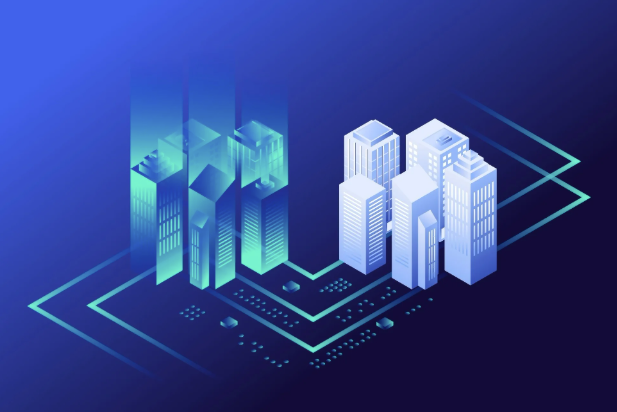
Digital twins represent a revolutionary intersection of the physical and digital worlds, enabling real-time simulations of physical entities.
These virtual models are created through data synchronization, allowing for continuous updates and accurate representations of their real-world counterparts.
Key Benefits of Implementing Digital Twin Technology
The implementation of digital twin technology offers numerous advantages across various industries, enhancing efficiency and innovation.
Notably, organizations experience significant cost savings through optimized resource management and reduced downtime.
Additionally, digital twins foster enhanced collaboration among teams by providing real-time data insights, enabling informed decision-making.
This synergy not only streamlines operations but also promotes a culture of continuous improvement and innovation.
Real-World Applications of Digital Twins Across Industries
As industries increasingly seek innovative solutions to complex challenges, the adoption of digital twin technology has emerged as a transformative approach across various sectors.
In healthcare applications, digital twins facilitate personalized treatment plans and predictive analytics for patient outcomes.
Meanwhile, manufacturing optimization leverages digital twins to enhance production efficiency, reduce downtime, and improve quality control, underscoring the technology’s versatility and impact.
See also: ueldomesquita
Future Trends and Innovations in Digital Twin Technology?
While many industries have begun to harness the potential of digital twin technology, future trends suggest that its capabilities will expand significantly, driven by advancements in artificial intelligence and machine learning.
Predictive analytics will enhance decision-making processes, while ongoing integration challenges will necessitate innovative solutions.
As these trends evolve, digital twins will increasingly empower organizations to optimize operations and foster greater efficiency.
Conclusion
In conclusion, digital twin technology serves as a bridge connecting the tangible and the virtual, enabling organizations to navigate the complexities of modern operations with precision. As this innovative approach continues to evolve, it promises to unlock unprecedented efficiencies and insights across various sectors. Like a compass guiding a ship through uncharted waters, digital twins empower businesses to chart their course towards enhanced performance and strategic decision-making, ultimately transforming challenges into opportunities for growth and innovation.